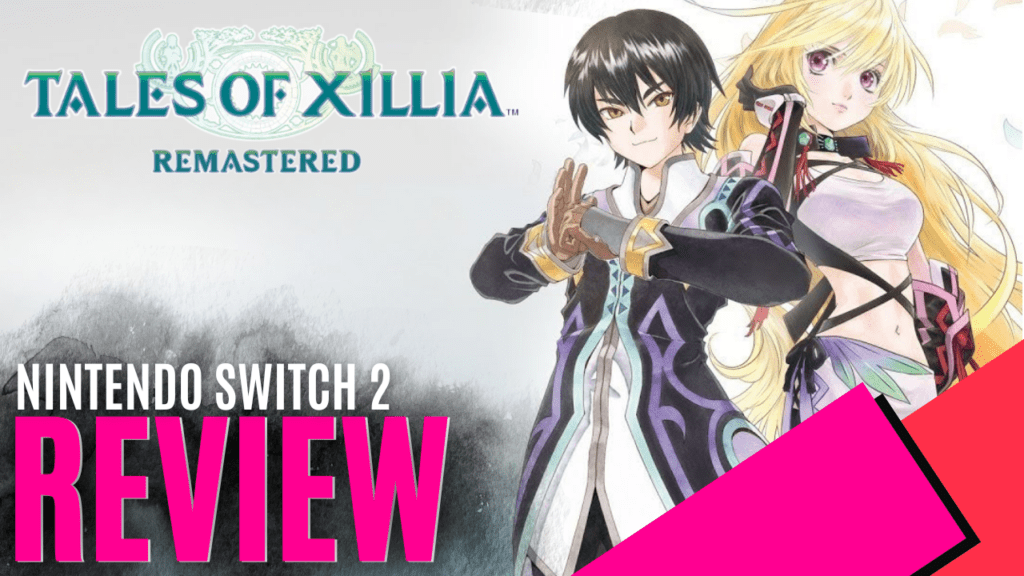
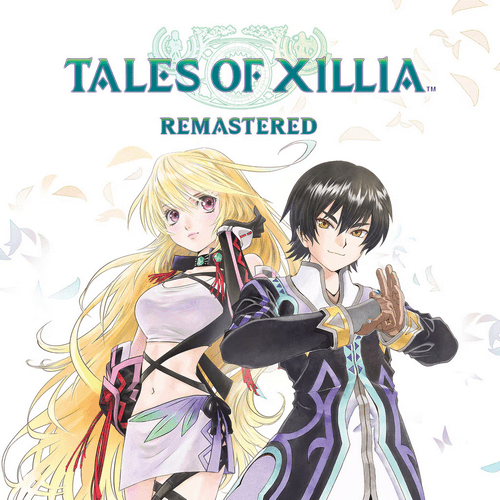
The Tales of series began in 1995 with Tales of Phantasia on the Super Famicom. Currently, there are 17 games in the main series, plus various spinoffs and crossovers with other properties, as well as a few anime adaptations. Bandai Namco has been revisiting old games in the series and porting or remastering them for modern consoles. Tales of Xillia, the 13th main game in the franchise originally released exclusively on PlayStation 3 in 2011, is next to receive the master treatment as Tales of Xillia Remastered is now available on Nintendo Switch, PlayStation 5, Xbox Series X|S, and PC.
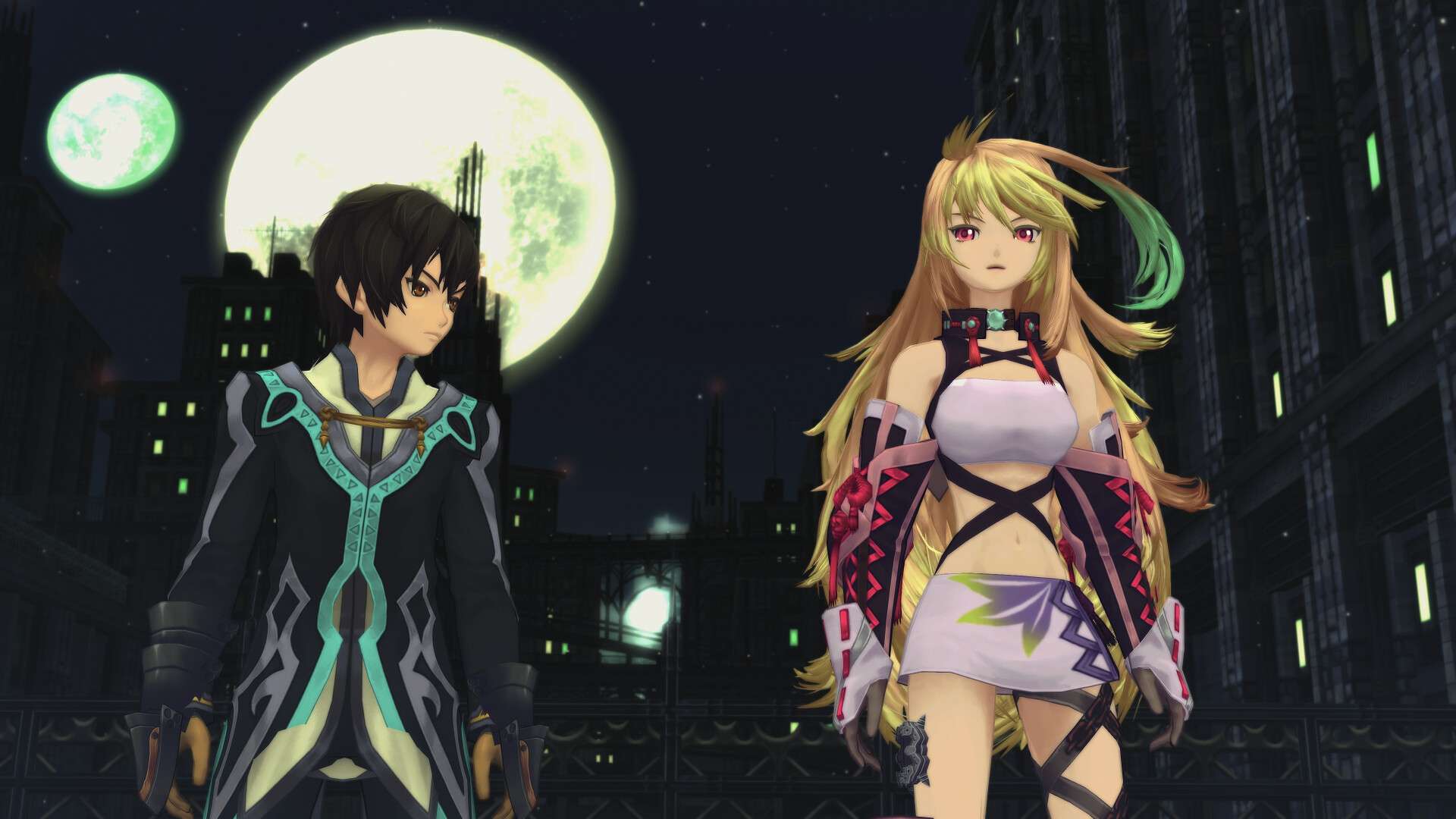
The story follows Jude Mathis, a medical student, and Milla Maxwell, a mysterious woman who claims to be the Lord of Spirits, as they journey through the world of Rieze Maxia. Their paths converge when they discover that the Rashugal empire is using a device called the Lance of Kresnik to drain spirit power and disrupt the balance between humans and spirits, prompting them to join forces to save their world.
Players will choose to play as either Jude or Milla for the entirety of this JRPG game. The overall story remains the same, but playing as either character will provide slightly different experiences. Aside from having their own motives, they also play differently from one another during combat. Jude focuses on more hand-to-hand combat, while Milla uses her magic. Throughout the game, more characters will join your party and aid you in battle. The overall game is a slightly open-world experience, but mostly linear, with plenty to explore and discover, and numerous side quests available to help boost character stats.
The combat system is one of the game’s most significant features. Most JRPG games use turn-based strategy, but the Tales of games allow you to play in real time, incorporating some beat ’em up elements and making the overall combat feel like an action adventure. Battles earlier in the game won’t be much trouble and will help you get acquainted with the mechanics, but will, of course, become more challenging later on. Players will not only need to learn offensive moves, but also defensive moves, as more powerful enemies appear later and in the boss battles, which come in various shapes and sizes and possess their own unique powers and abilities.
As a remaster of a 2011 game, you would expect it to feature numerous quality-of-life improvements. Unfortunately, many of the original game’s issues remain present in the modern version. The character voices can be heard in either Japanese, which sounds the best or in English, which sounds just as underwhelming as the original. This is why most anime fans prefer the original dub over the English voices. The combat is certainly fun, but it can become repetitive over time as you’ll need to grind to boost your stats while you’re eager to progress through the story.
Graphics-wise, the overall art style and presentation retain their bright and colourful anime look, all with upgraded visuals, but still look outdated by today’s standards. Some may argue that the retro-looking graphics are part of the game’s charm, which is also a valid opinion, but it’s clear that the game is showing its age. For a game with “Remastered” in the title, it doesn’t feel like it has done much to improve the overall game, instead feeling more like a simple port than an actual remaster.
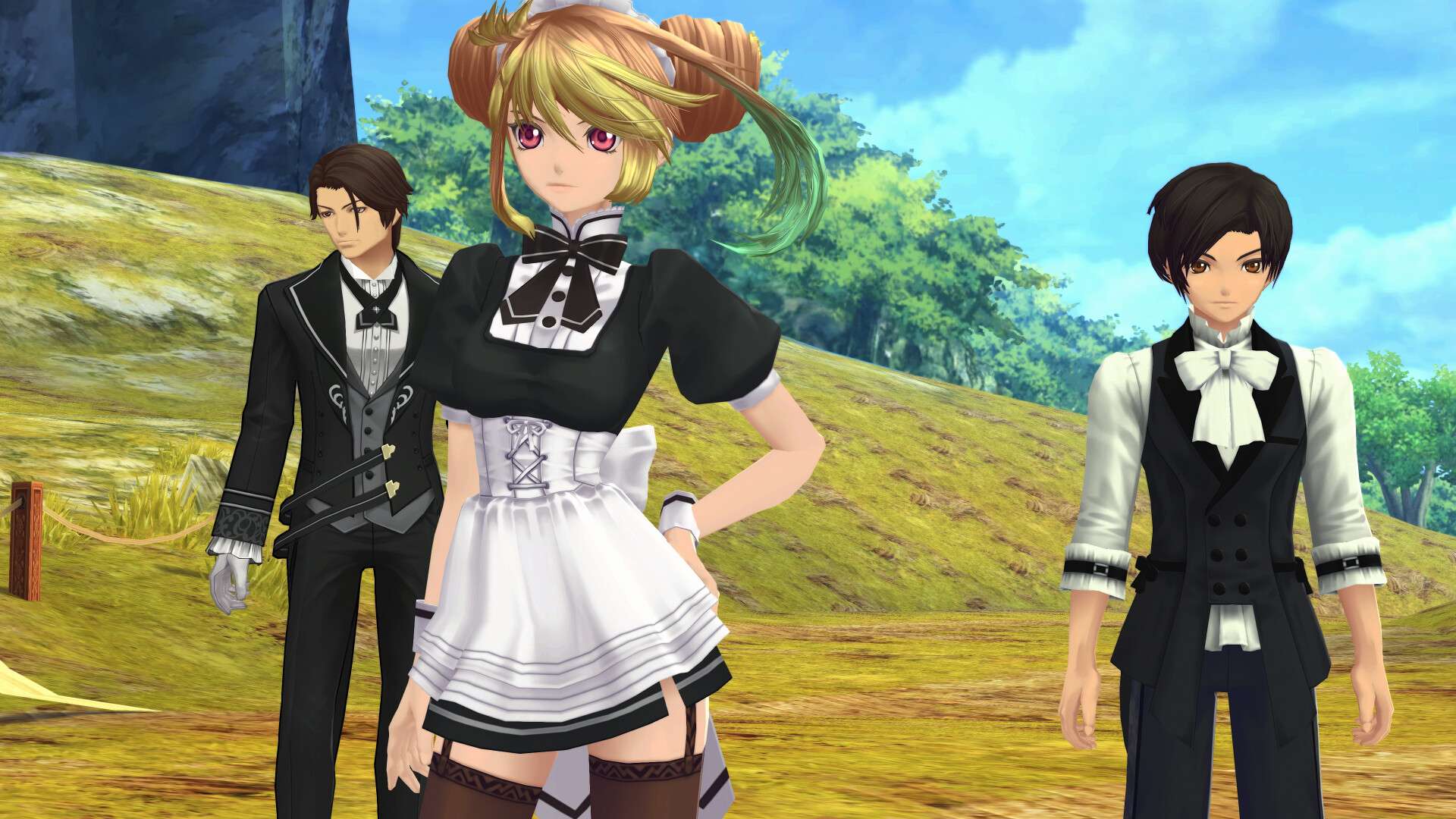
There are some actual quality of life updates, however, such as the faster load times switching between free roam, battles and cutscenes instantly, almost like there’s no loading at all, plus smoother animations and now the game has an auto save feature so you’ll never lose your progress.
Another big feature is the anime cutscenes, which are fully animated and are a spectacle to watch, making you wish you could experience the entire game in this format. While Tales of Xillia doesn’t have an anime adaptation, some of the other games in the series do, though they’re rare to find. The game also features various in-game cutscenes and skits, showcasing the different characters and their diverse personalities. Even though the English voices aren’t as good as they could be, it’s still fun to see all the characters interacting with each other, allowing players to get to know them better and care for them more.
Tales of Xillia Remastered may feel more like a port with some minor upgrades than an actual remaster, but this provides a chance for fans wanting to revisit the game or those interested in the series to play this game on modern consoles instead of having to hunt down a PlayStation 3 just to play the original version. It’ll be interesting to see which other Tales of games will get a remaster, even if it’s just a port with minor upgrades, because there are many games in the franchise that deserve to be available to play on modern consoles.
Whether it’s considered a remaster or a port, Tales of Xillia Remastered is a great way to experience a PS3 classic on modern consoles.

The Good
- A PS3 classic now available to play on modern consoles
- Fun combat system
- Improves on the visuals and animations
- Now has faster load times and auto save
- Two different protagonists provide different experiences in the same story
The Bad
- Feels more like a port with minor upgrades than a remaster
- Still has some of the same issues as the original game
- Graphics have improved but still show their age




 SuBZeRO2K
 Spotify
 Anchor
 iTunes