
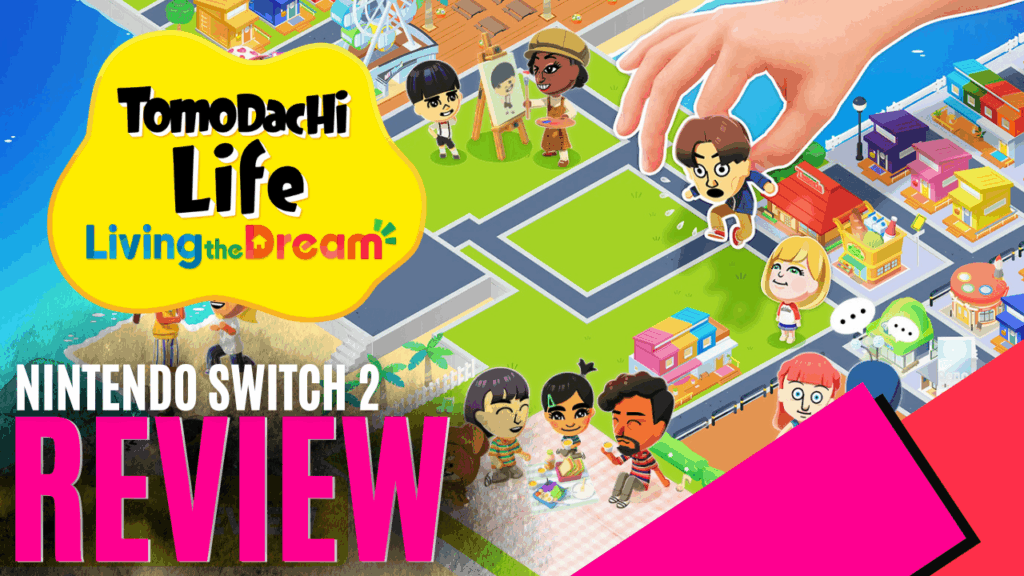
Have you ever been sitting there, thinking, “I wonder what would happen if me, my friends, some of my favourite celebrities, and some completely chaotic people were all thrown on an island together”? Well, Nintendo thought the same thing with Tomodachi Life: Living The Dream. It’s as unhinged as you’d expect. It’s been almost thirteen years since we’ve seen Tomodachi Life. You’ll learn to shape relationships, guide residents, and sometimes just sit back and watch the madness unfold, because, as you would all know, Living The Dream is anything but normal.
Jumping into Tomodachi Life: Living the Dream, I quickly realised it’s less about a structured storyline and more about the chaos you can create along the way. Watching my Miis interact, forming friendships, starting relationships, arguing over absolutely nothing and chasing their own little weird dreams ended up being the entire “plot” of the story and look, I’m not going to argue with it.
There was no deep, narrative-driven experience, but the humour and randomness kept me invested in the game, and I found myself getting attached to certain characters because of how they acted. It’s not something I can see myself sitting down for hours playing, but it’s perfect before a boot up before bedtime to have a laugh and just chill out.
If you are chasing a title that is a little more relaxed, then this title will be right up your alley. It is all about the light interactions and checking in rather than constant hands-on play. Most of what I was doing involved helping my Miis with their problems, playing mini-games, customising their outfits and rooms, and just seeing what weird and wonderful situations they would find themselves in.
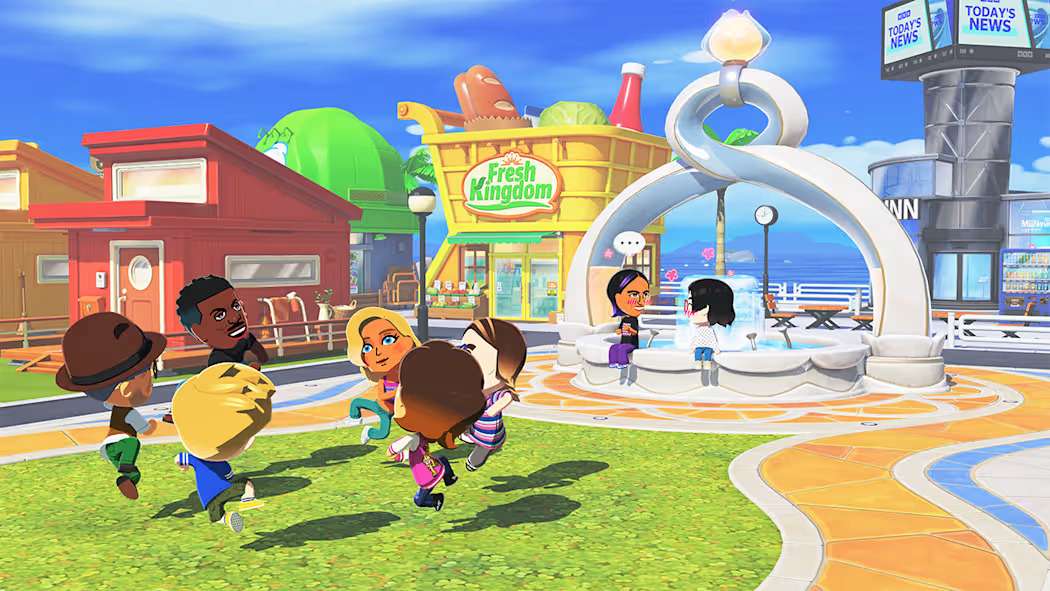
It’s one of those games that is super simple to pick up, and nothing felt overcomplicated or demanding, which suited me down to the ground. There were times it felt a little repetitive since you’re often doing similar tasks, but the randomness of events and character interactions kept it from feeling stale. It really leans into being a casual, low-pressure experience rather than something skill-based or intense, which was great before bed.
When it comes to controls, Tomodachi Life keeps things simple and easy to pick up; it mostly relies on button inputs and basic navigation, which makes managing your island feel smooth and straightforward. Moving between houses, interacting with Mii’s, and handling the daily event all feel responsive enough, but I couldn’t help but walk away a little disappointed by the lack of meaningful touchscreen integration.
I would have loved it if that had taken full advantage of the hardware and integrated the touchscreen controls directly into the game. If I want to pat my Mii on the head or interact with them, I should be able to physically touch the screen to do so, but I couldn’t, which became frustrating.
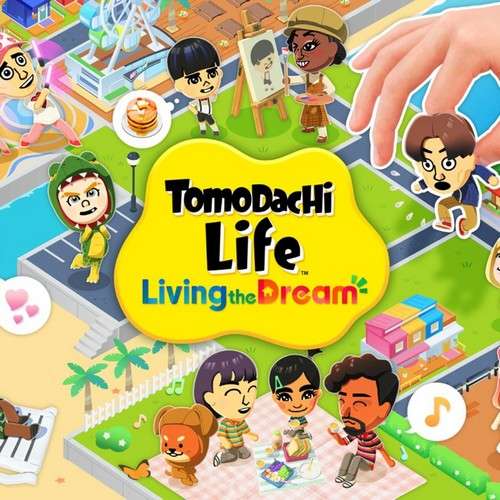
I want you to take a trip down memory lane and think about the first time booting up your Nintendo Wii back in 2006, and think about how cool the graphics looked with that quirky, cartoonish charm with bright colours and soft edges, with the iconic Mii characters bringing everything to life in a really playful way.
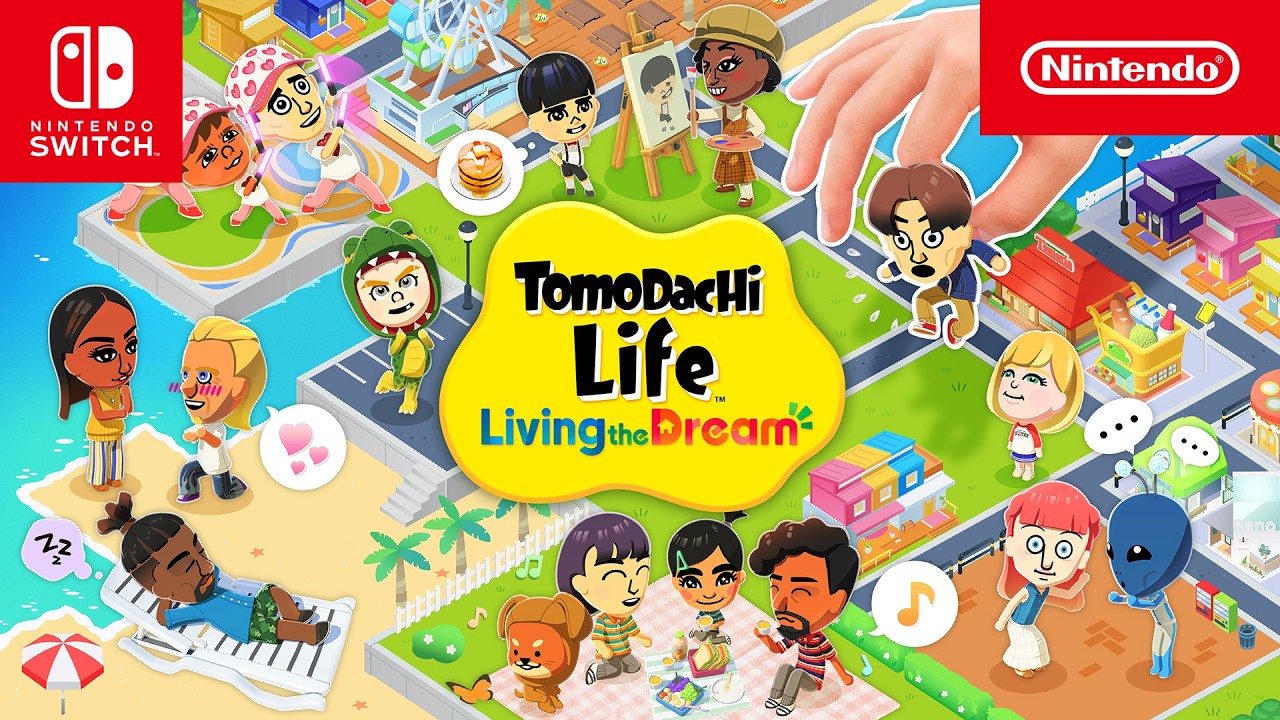
Tomodachi Life has followed on from that art style and nailed it. The Island setting is bright, vibrant and lively, even if it’s fairly simple, and it matched the game’s lighthearted, almost surreal tone perfectly.
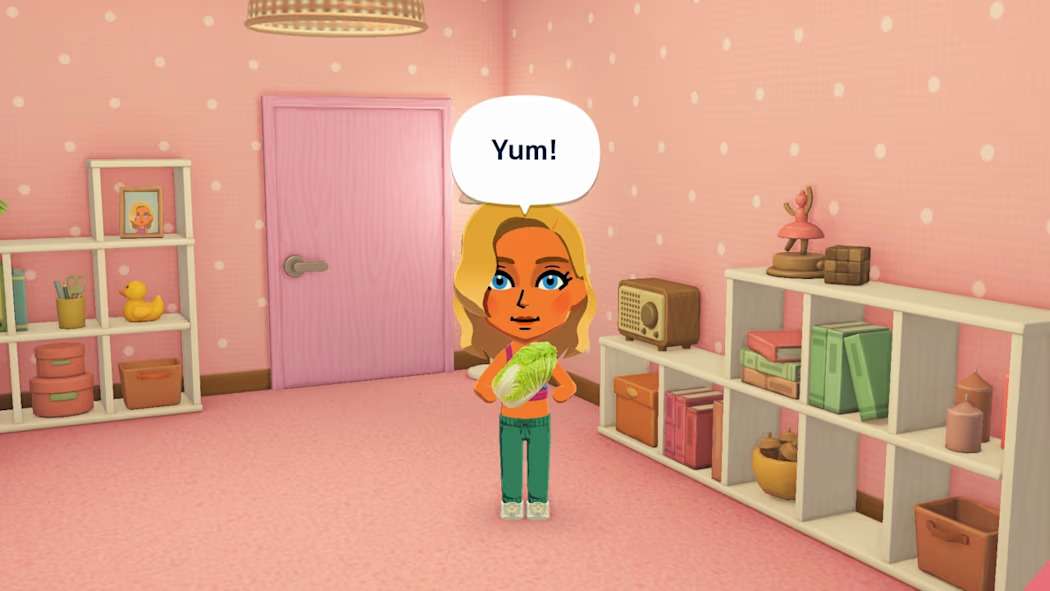
That being said, the one thing that genuinely threw me off whilst playing was the choice to use real-life photos for items like food and gifts. It felt a bit jarring against the otherwise consistent cartoon style, and I couldn’t help but think it would’ve been way more immersive if those icons were stylised to match the rest of the game. Even with the odd mismatch, the overall presentation still nails the game’s fun, bizarre vibe.
In terms of the sound design, it leans into that same quirky, offbeat energy that defines the entire experience. The soundtrack is light, bouncy, and constantly shifting depending on what’s happening around the island, with little jingles and tunes that sometimes feel more random than anything else. The one thing that really stood out to me was the voice from the Mii’s, with their robotic, text-to-speech style dialogue adding to the charm and absurdity of the game, which I actually loved. It created a fantastic atmosphere around the game, making it super enjoyable.
Overall, Tomodachi Life: Living The Dream delivers exactly what it sets out to be: a weird, charming and easygoing experience that thrives on unpredictability rather than depth. While it does not fully capitalise on features like touch controls. The presentation quirks keep it alive with the humour, personality and sheer randomness of your Mii’s, making it hard not to enjoy the game.
The Good
- Fun, unpredictable gameplay
- Charming and expressive Mii interactions
- Bright colourful art-style
- Simple, easy-to-pick-up gameplay
- Quirky soundtrack
The Bad
- Missed opportunity with limited touchscreen controls
- Real-life icons clash with cartoon style
- Can feel a little repetitive






 SuBZeRO2K
 Spotify
 Anchor
 iTunes