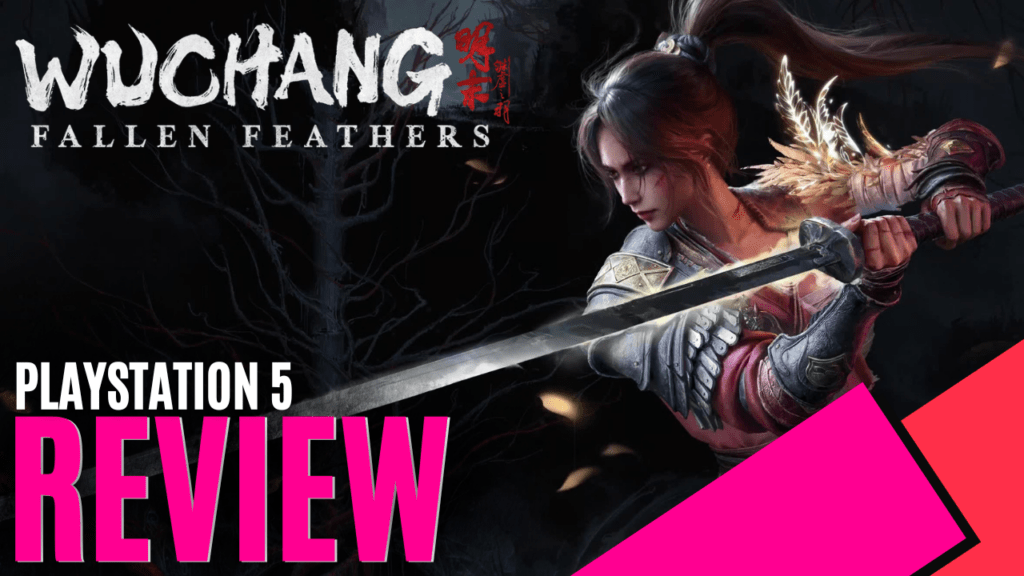
WUCHANG: Fallen Feathers is what Leenzee Games and publisher 505 Games describe as a “hardcore action RPG/Souls-like. I was curious to see this fantasy version of late Ming Dynasty China. While it’s an interesting setting, I’m still not entirely on board with Wuchang’s mythical journey and whether it stands apart from the sea of souls-likes, but it has quite a decent chunk of potential in its approach to combat.
WUCHANG: Fallen Feathers is the tale of pirate warrior Bai Wuchang, who awakens in Shu, an ancient kingdom from the Ming Dynasty Period. Wuchang has no memories, a trope as old as time itself that I would like to see die. While the mystery of her past is one I would like to unravel, the journey to uncover it is a tumultuous one. The land is falling ill to the Feathering disease, which turns humans into strange, creepy enemies. Wuchang is facing this affliction herself, fighting for a cure not only for herself but also for humanity.
The curse has a massive impact on gameplay. Every time she falls in battle, she comes back with more Madness, and it can make her stronger for a time. However, it also makes her more susceptible to damage, especially when the Inner Demon version of her spawns to fight for the precious Mercury shards collected, which are used to gain new weapon skills and powers. As Bai Wuchang descends further into Madness, she gets boosts to her various weapons and enchantments.
Using and enchanting weaponry and alternating styles is perfect for a souls-like title, but also a lot to master, and mastery comes with a lot of time and patience. The Inner Demon System can make or break a run; being very risk-versus-reward-heavy. After a previous death, to recover Mercury for levelling, I had to fight my Inner Demon, who would attack anyone, whether Wuchang or a foe. She hits incredibly hard, making building skills extremely difficult and resulting in massive losses of mercury.
The opening areas felt much slower than I would like when setting off on an adventure. With Worship’s Rise being a mostly linear path, and limited shrines, the equivalent of checkpoints, to use mercury for skills and replenish flasks, were spread out enough that I replayed the same areas multiple times. Once the regions start being more explorable, there’s a bit more charm, albeit some effort to reach the next shrine with rinse and repeat enemy encounters between bosses.
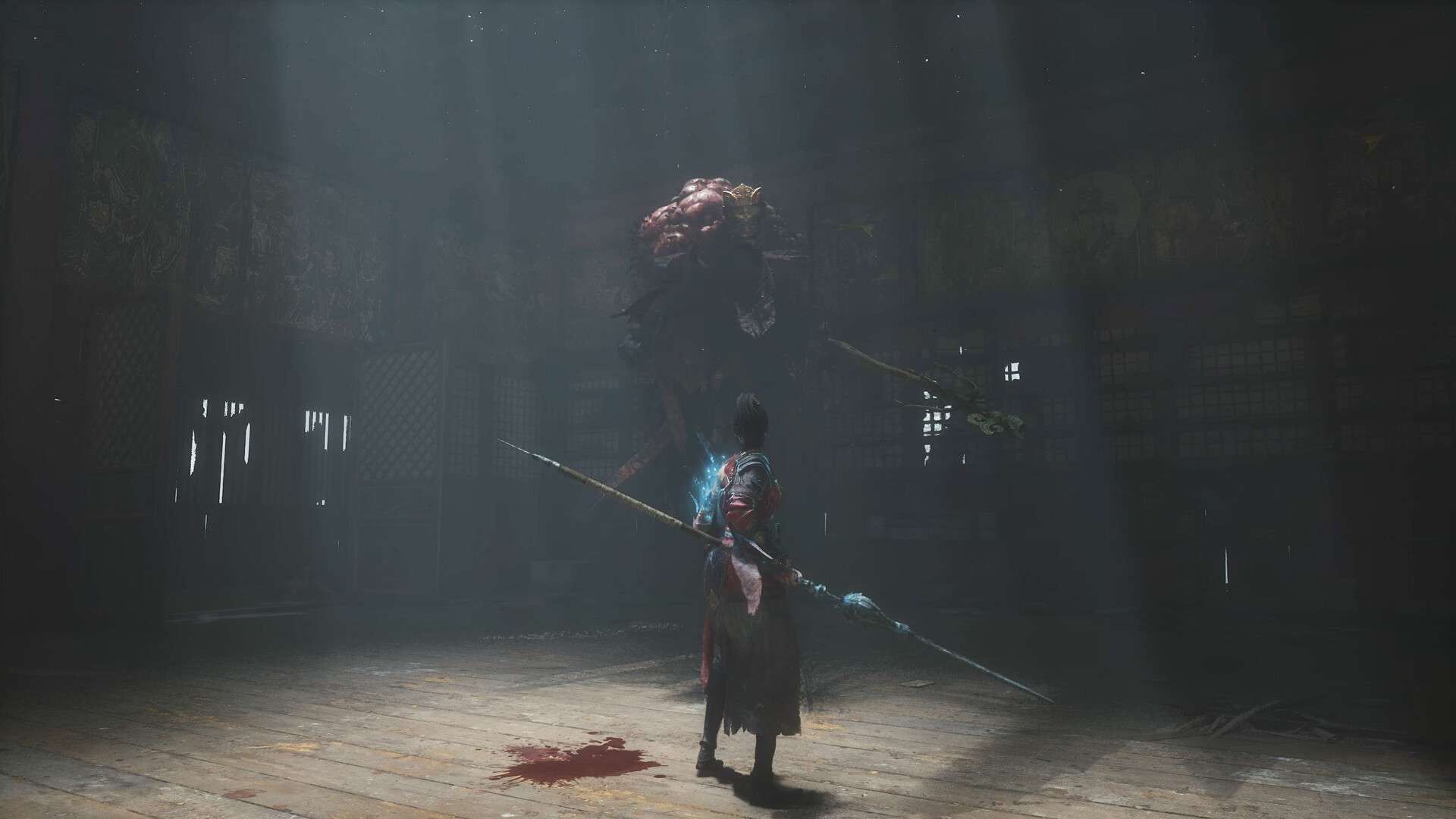
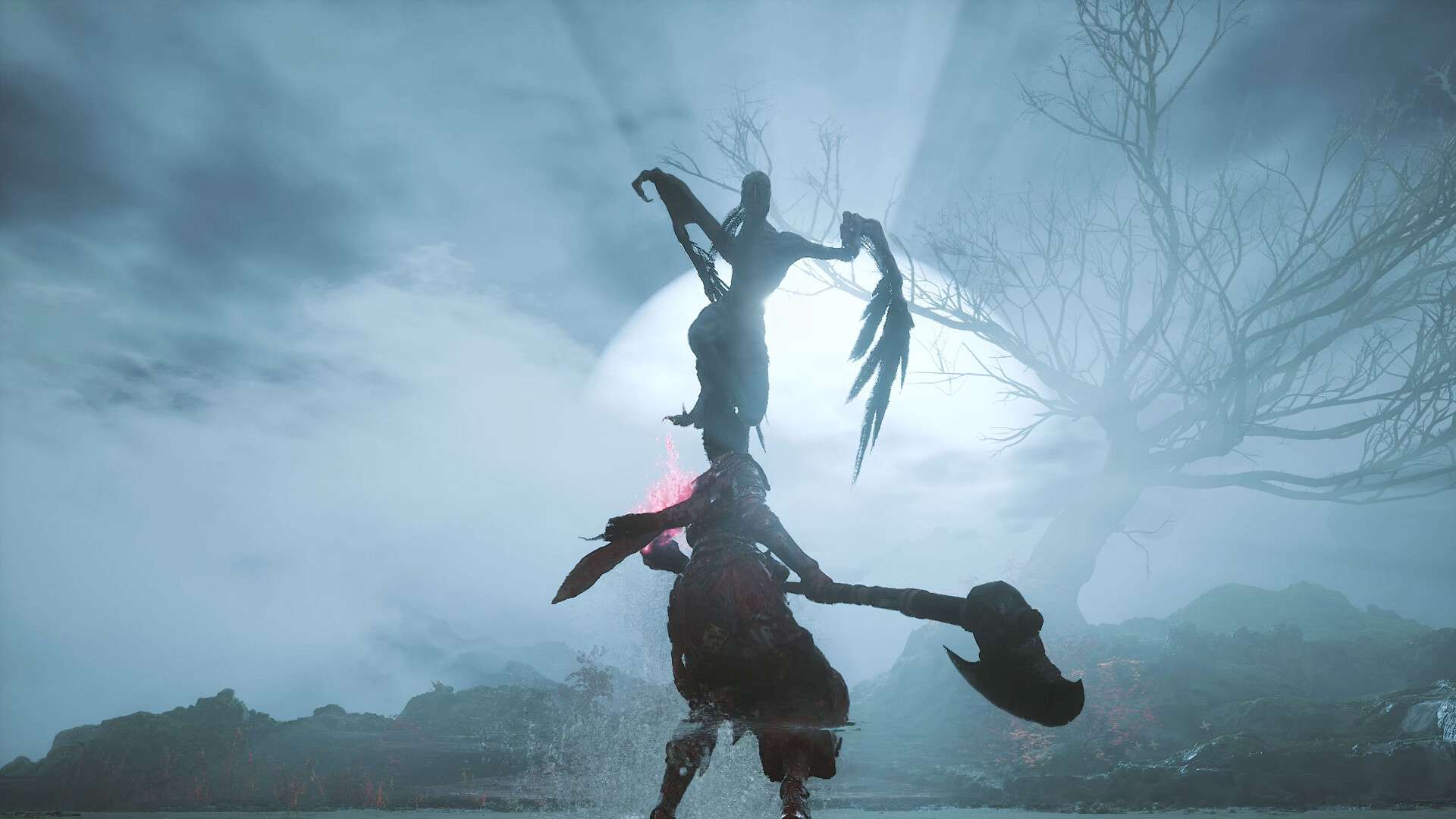
I didn’t feel like I was getting more powerful; bosses become a test of willpower and mastery of dodging to activate Skyborn Might, which is needed to perform skills. The real glory in the bosses is their design. Most are incredibly grotesque and demonic, with wide attack patterns and a good helping of retorts during battle. It’s satisfying to knock them down, but a hell of a task to do so.
The game is so mechanic-heavy that it was challenging to keep up with the amount of information needed to succeed. The skill tree contains plenty of ways to further alter gameplay, if you’ve managed to retain enough mercury to put toward skill purchases. Combat overall has interesting ideas for a souls-like. The way gear works is a nice touch. Allowing you to play to your own style by using armour, pendants, and different weapons and enchantments to approach various situations.
The weapons and their associated skills, whether it be a standard sword, a halberd, or dual swords, and their abilities can turn the tide in a pinch. Balancing the fine line between discipline in not wailing on enemies to going all out when striking that sweet spot in Skyborn Might and Madness is when the strength of WUCHANG: Fallen Feathers begins to feel more like a fast-paced action RPG, even if only in small hits.
For someone who isn’t quite as skilled or patient in Souls-like games, the lack of entry-level options for gameplay is a barrier to enjoyment. There are no accessibility options, difficulty levels or gameplay modifiers to alter the challenge. It’s incredibly easy to die, with most humans, creatures and mutants attacking on sight, with anywhere from 1-3 hits being enough to be killed before building out your health bar through the skill tree, which really was the death of me early on.
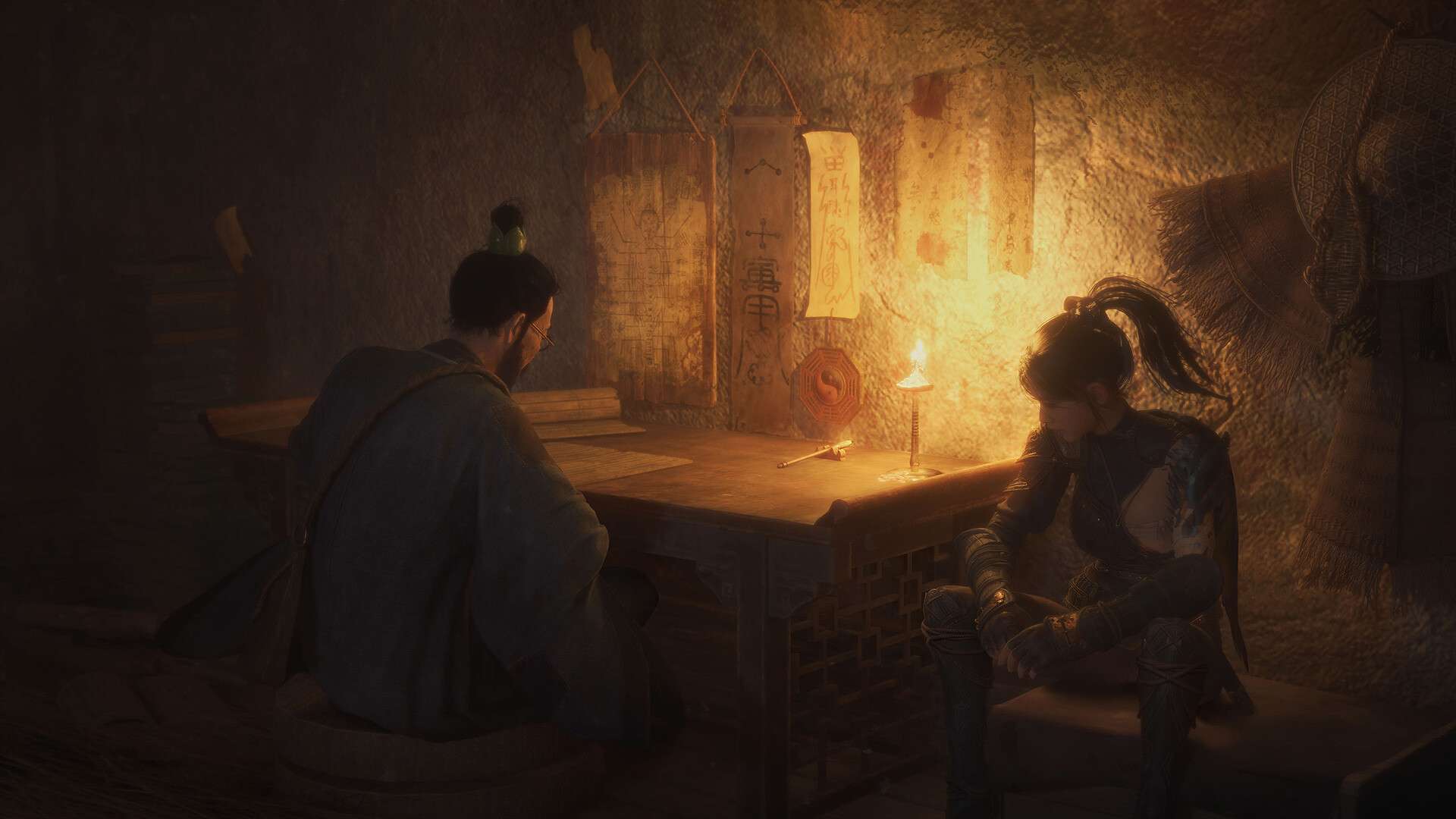
Storytelling is fairly minimal. A fantastic setting like the ancient Ming Dynasty seems poised for greatness when considering all the mythical lore surrounding it. A rich culture is lost amidst the gloomy atmosphere and environment devoid of life, at least until reaching the second chapter. Upon reaching the second area, the supernatural visuals kicked in, with more interesting lighting, vibrancy, and dynamic environments, such as caverns and snowy mountains. The world began feeling more authentic and realistic, but the real focus is on the gameplay.
My biggest enemy in this game is the performance and graphics on PlayStation 5.
On PlayStation 5, the quality mode plays at 30 FPS, Balanced at 40 and Performance at 60 FPS. It felt like it chugged. Changing the prioritisation of favouring performance over graphics made little to no difference to slow load times and texture load-in. Unsurprisingly, the game ran best when favouring performance, but the environments looked nicer in both balanced and graphics-favouring modes. This is where I faced endless screen tearing.
The options screen even points out that the refresh rate on a TV needs to be set at 120Hz or higher to lock the frame rate, but WUCHANG: Fallen Feathers was unplayable at any setting other than one that favoured performance on the base PlayStation 5.
On the PS5 Pro, the game ranges from 60 FPS in Quality to 80 FPS in Performance mode. I’d love to test it out again on a Pro console or the PC version to see what a difference it can make to the graphical and overall game performance.
Where the performance thrived was in the gorgeous orchestral music with traditional instruments. The moments for this music were few and far between. Most of the time, a minimalist drone or slight musical ambience plays in the background while traversing the world, which seemed like a missed opportunity to bring in a more engaging atmosphere. The moments it kicked in were great, though, mostly during the well-designed boss fights.
It’s understandable why, though, as there’s barely any noise cues when enemies are close by; there’s the occasional groan, but footsteps are non-existent and often led to my untimely death, but it was a good test in awareness, which is par for the course for disciplined souls-like fans. Language options include English and Chinese, with English accents that felt out of place, and dialogue that wasn’t well-delivered because of it. I opted to play in the Chinese dialect. The voice acting was much better suited for the overall tone and is more authentic to the source material.
WUCHANG: Fallen Feathers is not for the faint-hearted. If super tough, complex gameplay is what you’re after, WUCHANG: Fallen Feathers is definitely going to challenge you. With time and some quality-of-life updates, I’ll hopefully return to the game, stronger and more equipped to take on Wuchang’s unforgiving world with a bit more style and grace.
WUCHANG: Fallen Feathers is available on Xbox Series X and S, PC and PlayStation 5.
The Good
- Varied combat mechanics
- Intense boss encounters
- Interesting setting
The Bad
- Lackluster story
- Subpar graphical performance
- Punishing progression with limited accessibility





 SuBZeRO2K
 Spotify
 Anchor
 iTunes