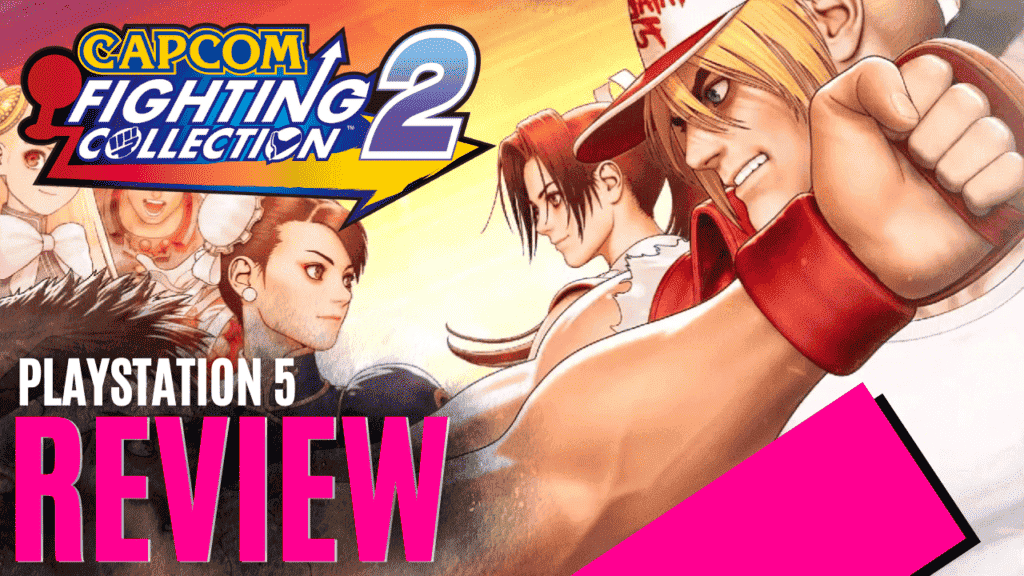
Since 2018, Capcom has been digging through its extensive library of fighting games and porting them to modern consoles. It began in 2018 with Street Fighter 30th Anniversary Collection, Capcom Fighting Collection in 2022 and most recently, Marvel vs. Capcom Fighting Collection: Arcade Classics in 2024. Included in those compilations were also various artworks, concept sketches, and more to view in the Gallery and, most importantly, smooth online play, which fans have been heavily requesting. In 2025, Capcom Fighting Collection 2 is ready to “Live and Let Die!” on PlayStation 4, Nintendo Switch, Xbox One and PC.
Like the previous collections, Capcom Fighting Collection 2 is fully playable on PlayStation 5, Xbox Series X|S, and soon, Nintendo Switch 2. The eight games included are Capcom vs. SNK: Millennium Fight 2000 Pro, Capcom vs. SNK 2: Mark of the Millennium 2001, Power Stone, Power Stone 2, Project Justice, Plasma Sword: Nightmare of Bilstein, Street Fighter Alpha 3 Upper, and Capcom Fighting Evolution.
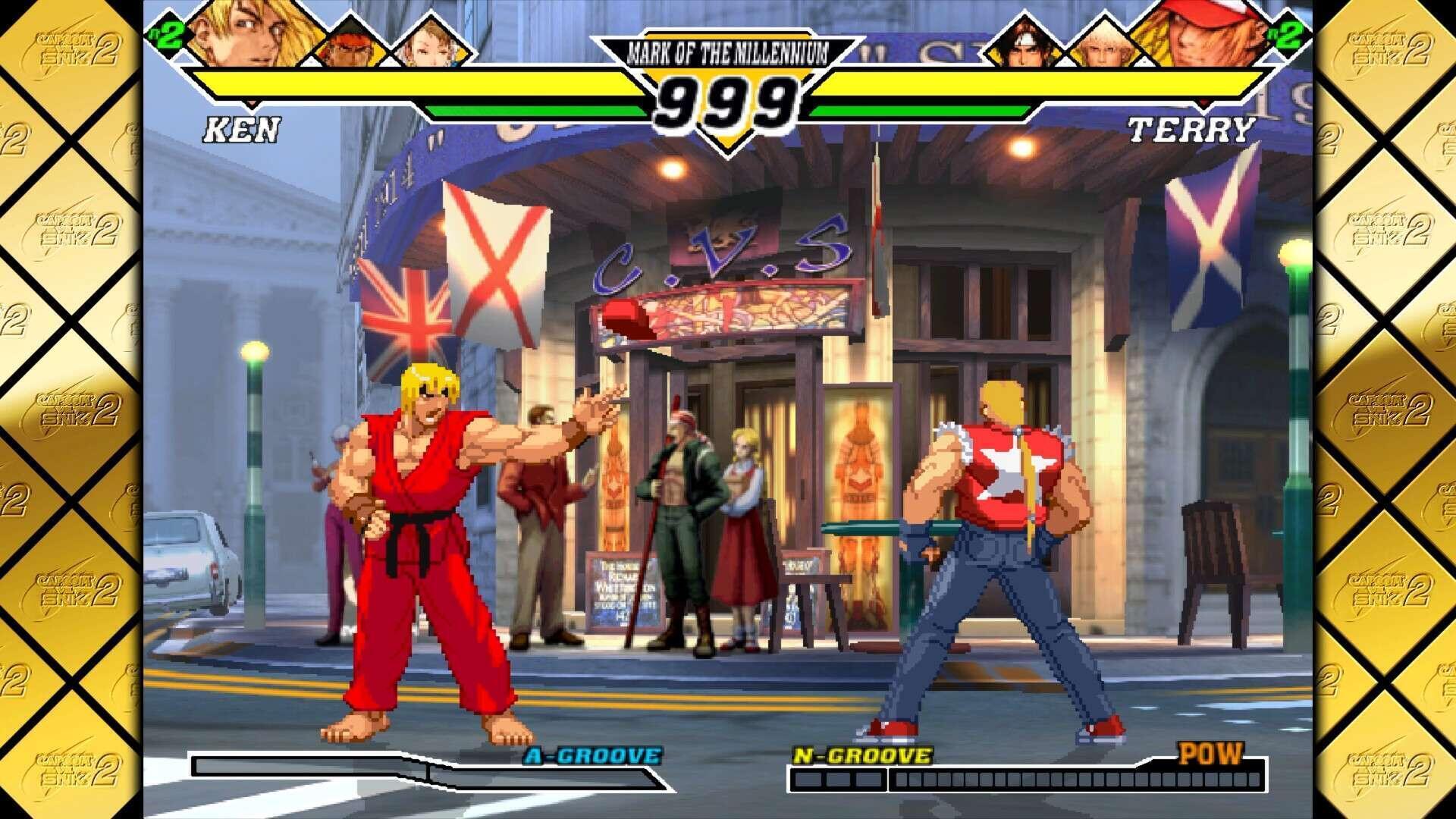
In 1999, Capcom and SNK began their legendary partnership, pitting their iconic fighting game characters together to create dream matches. They first faced off in two handheld Neo Geo Pocket Color games. Still, it wasn’t until a year later when Capcom vs. SNK: Millennium Fight 2000 hit the arcades and its revised version a year after, Capcom vs. SNK: Millennium Fight 2000 Pro, which is included in this collection. Seeing Ryu, Chun-Li, and M. Bison duking it out with Terry Bogard, Mai Shiranui, and Geese Howard was a dream come true, but things only got better in the sequel.
Capcom vs. SNK 2: Mark of the Millennium 2001 became an instant favourite for fans and was one of the headline games at major eSports events in the early 2000s. This game alone makes this collection worth buying and the one that fans were most excited for. It could only be played on Dreamcast and PlayStation 2 for the longest time and maybe an arcade cabinet if someone could obtain one. It was also available on GameCube and Xbox, but only the EO version, which stands for Easy Operation, meaning one button Specials and Supers, while removing roll cancels and nerfing some characters. This didn’t sit well with hardcore players, so the Dreamcast and PlayStation 2 versions became the tournament standard. In this collection, players switch between the original and EO versions.
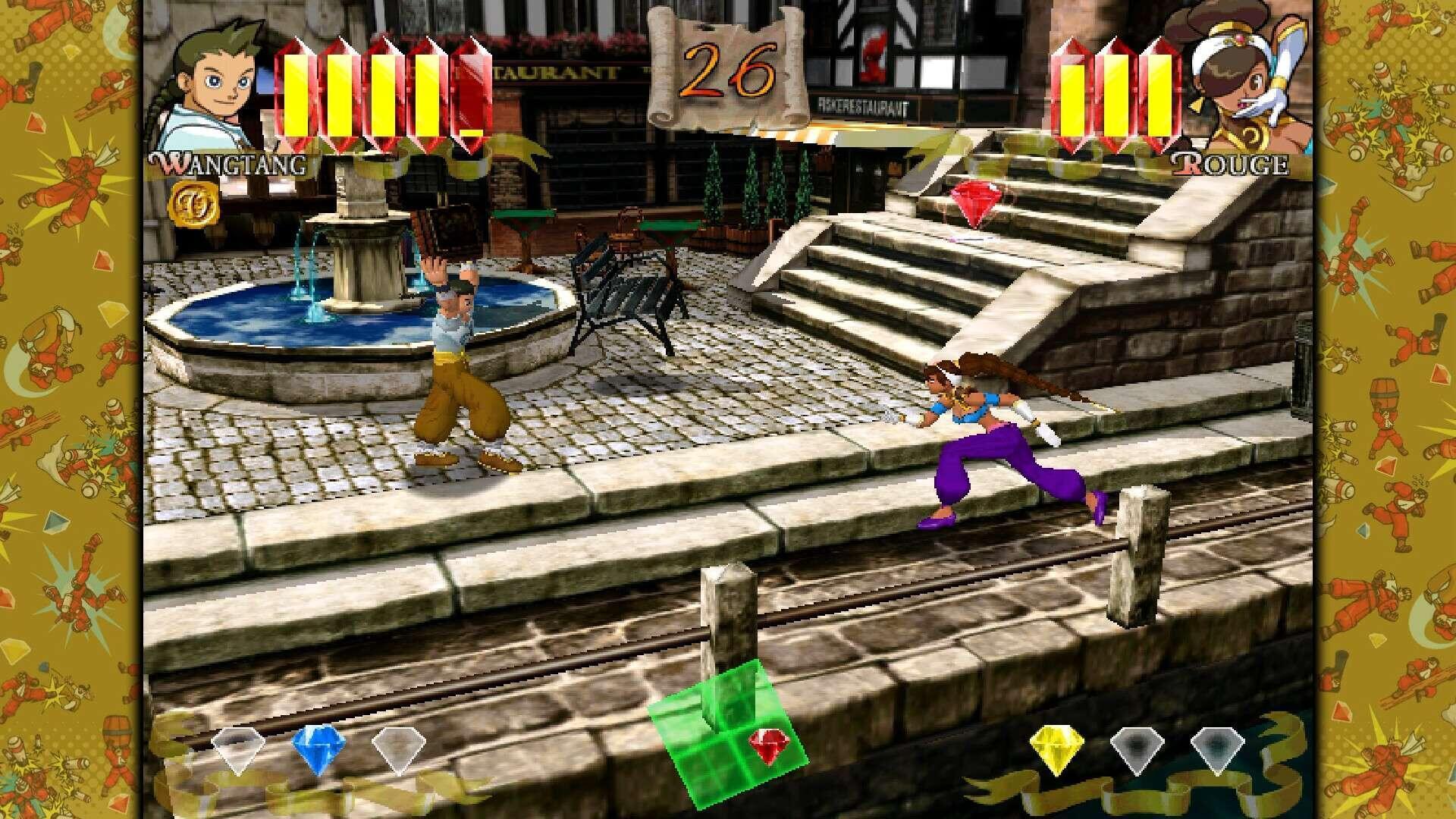
Another two exciting games to play are Power Stone and Power Stone 2. The original Power Stone in 1999 brought something new to the fighting genre with its 3D platform format. It’s best described as if Super Smash Bros was a 3D platform game. It was simple and chaotic fun that anyone could pick up and play. A year later, its sequel was released, and even though the combat mechanics were slightly watered down, it became a four-player game, adding to the chaotic fun and making for a great party game on the Dreamcast. They received a PSP port as a double pack in 2006, but they were made for multiplayer action, and this collection finally makes them available to play on modern consoles.
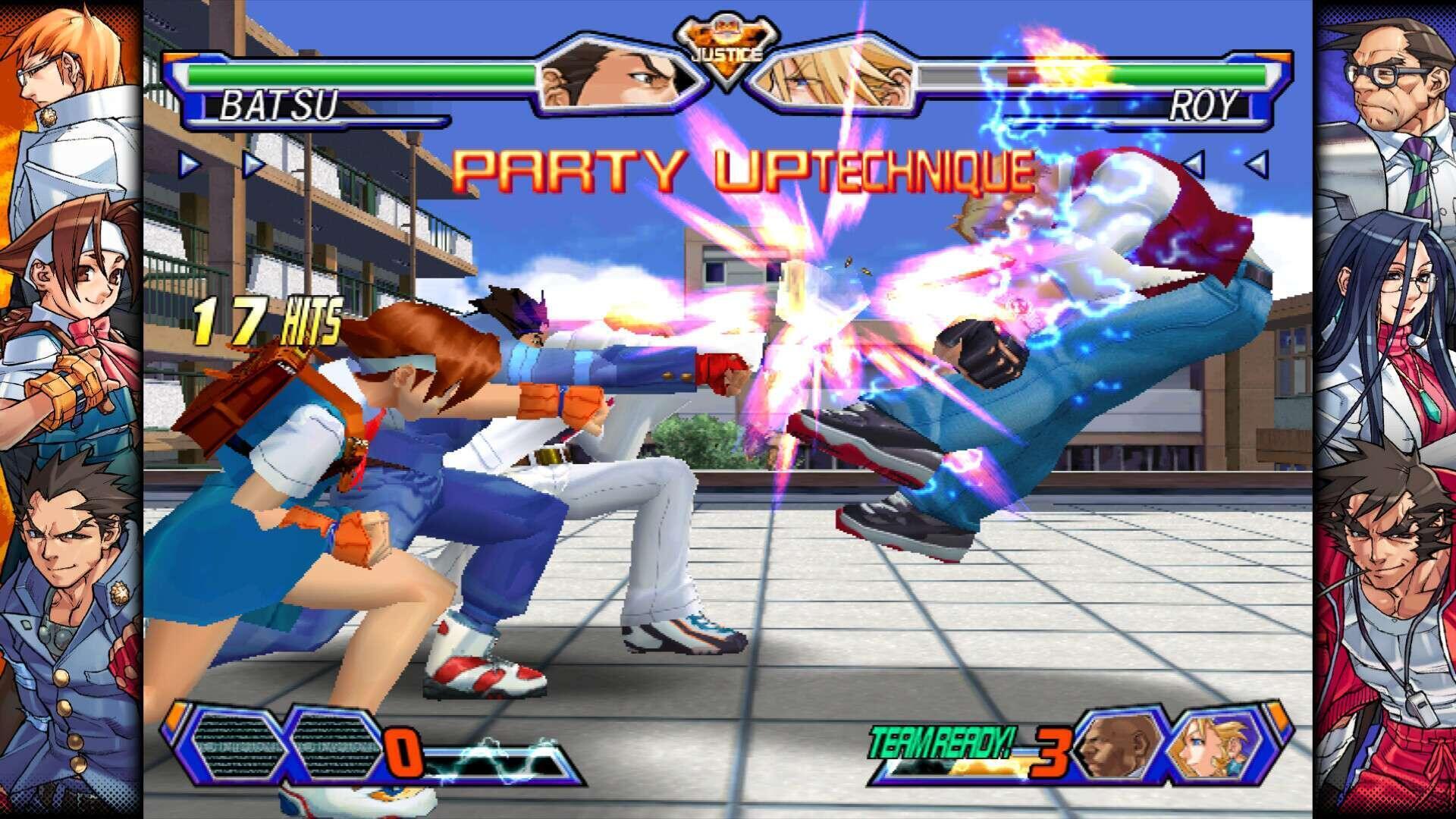
2000’s Project Justice is the sequel to 1997’s Rival Schools: United by Fate. It features diverse high school-themed characters, from the main protagonists to sports athletes, music students, bullies, exchange students, and more. It stood out from other fighters at the time, with teams of three and highly entertaining team-up combos based on their individual quirks. It’s another popular but obscure Capcom fighter that fans have been demanding, and it’s finally available to play on modern consoles.
1998’s Plasma Sword: Nightmare of Bilstein is the sequel to 1996’s Star Gladiator – Episode 1: Final Crusade. It’s a sci-fi-themed, weapons-based fighter with characters that bear a lot of resemblance to Star Wars. That’s because it was originally meant to be a Star Wars themed fighting game, but Capcom couldn’t get the license from LucasArts. Instead, Star Gladiator was made with its original characters and the main protagonist, Hayato, even became a playable character in Marvel vs Capcom 2. At the same time, LucasArts attempted their own fighting game, Star Wars: Masters of Teräs Käsi for PlayStation, and it became one of the worst fighting games of all time. Plasma Sword isn’t as well known as the other games included, but it’s still a fun 3D fighting game with unique mechanics worth checking out. It is what a good Star Wars fighting game could’ve been.
Street Fighter Alpha 3 Upper is an updated version of Street Fighter Alpha 3 that hit arcades in 2001. It added a few more characters and had some balance changes. Even though it’s better than the original, fans would’ve preferred Street Fighter Alpha 3 MAX, which had even more characters. However, that was a PSP exclusive and didn’t have an arcade port. Regardless, it’s still a great addition to the collection and even more fun to team up with a friend for Dramatic Battle and play through the arcade ladder together.
2004’s Capcom Fighting Evolution is an odd addition to the collection. It’s a crossover game featuring characters from different Capcom fighters, including Street Fighter II, Street Fighter Alpha, Street Fighter III, Darkstalkers, and Red Earth, plus Ingrid, an original character who was meant to debut in the cancelled Capcom Fighting All-Stars. It’s still an enjoyable game for what it is, and it’s always fun to see characters from different games facing off, but it was unbalanced, the number of characters was severely lacking, and it could’ve been so much more. Even if no one asked for this, it’s still an interesting piece of fighting game history.
The features from the previous Capcom collections are included here too. Players can create a save state at any point in each game, so they can continue later or retry from a specific moment as many times as they need. Switching between the English and Japanese versions changes the language of the text in-game and some of the games’ titles to their Japanese versions. Hidden characters in every game are now easily selectable instead of having to unlock them or input a cheat code.
Various filters are also available to give that feel of playing on an arcade cabinet or smooth out pixelated graphics. The graphics may be outdated by today’s standards, but they still look fantastic, especially in action. Different aspect ratio settings from the original 4:3 can be stretched out to fill the screen, but each game is best played in 4:3, and different borders based on each game are available to fill the empty space. Every game looks as good on TV, monitor, and handheld consoles. Longtime fans will be feeling that nostalgia hit.
Every game can be played online for Ranked or Casual matches, and players can select which games they prefer. After matching up with an opponent, the game will randomly select from the chosen games between both players, creating excitement as players anticipate what game they’ll be playing next. Players can also create or join lobbies with up to nine players. In my personal experience, the online play has been excellent thanks to its rollback netcode. Occasionally, there might be some lag or whole matches suffering from a bad connection. Still, for the most part, the controls have been incredibly responsive, and I barely noticed any input delay.
The biggest drawback, however, is that there is no crossplay, meaning players can only match up with opponents on the same console. Crossplay should be standard at this point, and it’s something that Capcom has been able to do with its recent games, so it’s a wonder why it wasn’t included in this collection as well as their other collections. Hopefully, it can finally be added soon for every collection via a patch update.
Another gripe is when playing Capcom vs. SNK 2 online, for whatever reason, it’s locked in the EO version with no way to change it, and this has dedicated players upset. It’s strange because this is meant to be a port of the arcade version, and EO was exclusive to consoles. EO in this collection may not have one-button Specials and Supers for Ranked, but it’s still lacking the Roll Cancels and unnerfed characters that are part of the tournament standard. Despite hardcore players not wanting it, Capcom seems determined to force EO on everyone. Hopefully, a patch update will allow players to select the original version for online play.
This collection is also jam-packed with extra content in the Museum, which fans will certainly appreciate. The Gallery features almost 700 pieces of promotional art and concept sketches with descriptions written in Japanese. Players will see the process behind character moves and stage designs, with some interesting bits of trivia if they can translate the writing. The entire soundtrack
plus remixes from all eight games can be enjoyed in the Music section, and there are also various tasks to complete known as Fighter Awards, which work much like Trophies and Achievements.
It has been a long time since many of these classic fighters were ported to modern consoles. Fans have been demanding Capcom vs SNK, Power Stone and Project Justice, and we finally have them. The other games included, whether popular or not, are well worth checking out too, as they all have their place in fighting game history. Hopefully, this won’t be the last Capcom collection, as there are still more classic fighting games in their extensive library that deserve to be appreciated on modern consoles. For now, matches are gonna be remembered, and battles are about to explode in Capcom Fighting Collection 2!

The Good
- 8 classic Capcom fighting games one collection
- Long awaited and lesser known Capcom fighters finally on modern consoles
- Looks and plays just like the arcade originals
- Smooth online play with rollback netcode
- Almost 700 artworks and concept sketches
The Bad
- No crossplay
- Playing Capcom vs. SNK 2 online is locked in the EO version



 SuBZeRO2K
 Spotify
 Anchor
 iTunes